
Repetitive work, done by software.
A Milan software studio. Four products you can install today, and custom software for small businesses that measures the hours it saves.
AI-generated
How many hours does it cost you today?
Four taps. The number stays on your phone until you decide to send it.
We work with online shops, professional practices, vacation rentals, and agencies and studios. Our four products are live on public stores, rated 5.0 out of 5 on the Chrome Web Store.
Our own software
EmailMagnet, Volume Control PRO and ClickPilot AI on the Chrome Web Store, Countdown321 on the Shopify App Store. We build, publish and maintain them ourselves.
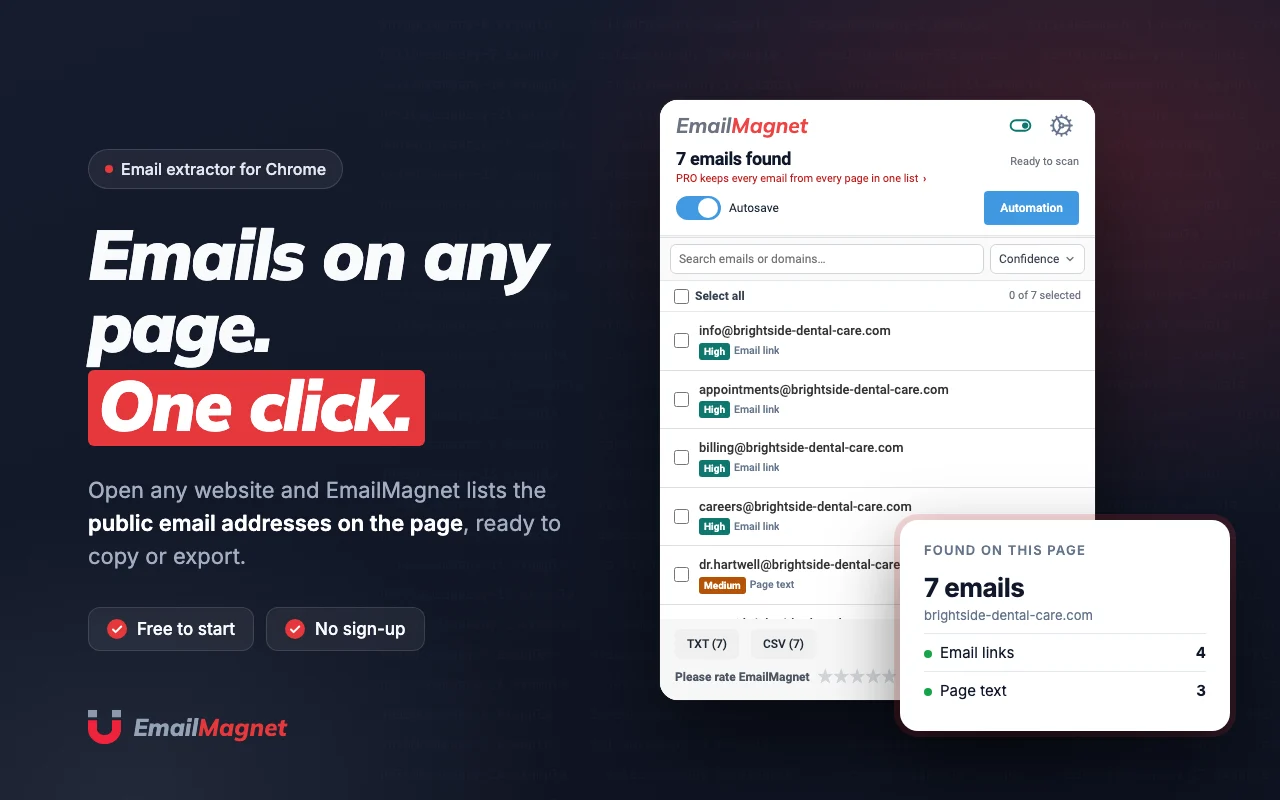 EmailMagnetChrome Web StoreChrome extension for finding and extracting emails while browsing.
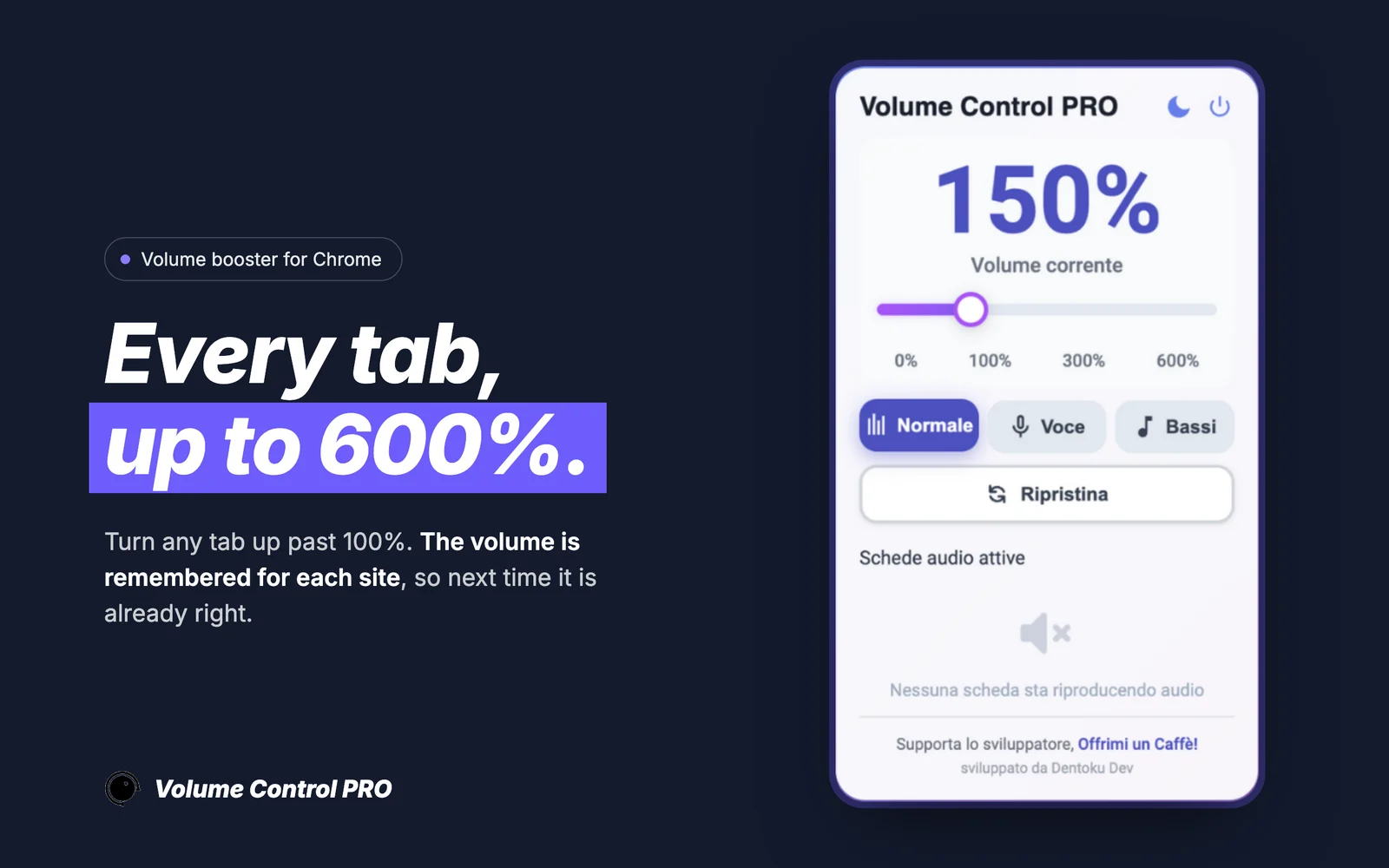 Volume Control PROChrome Web StoreAudio booster for Chrome tabs with up to 600% amplification and per-site volume memory.
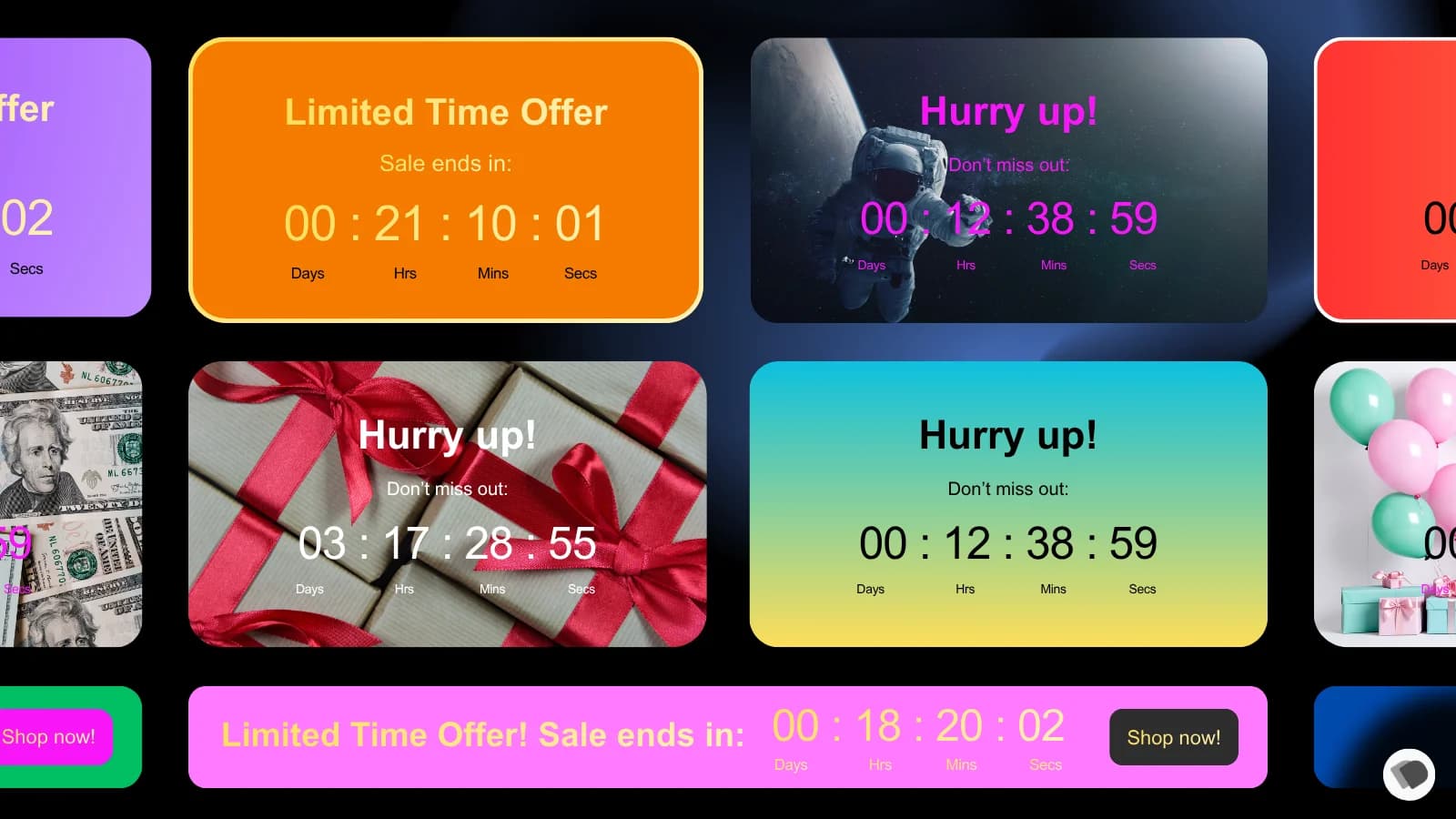 Countdown321Shopify App StoreShopify app for countdown and time-based storefront messaging.
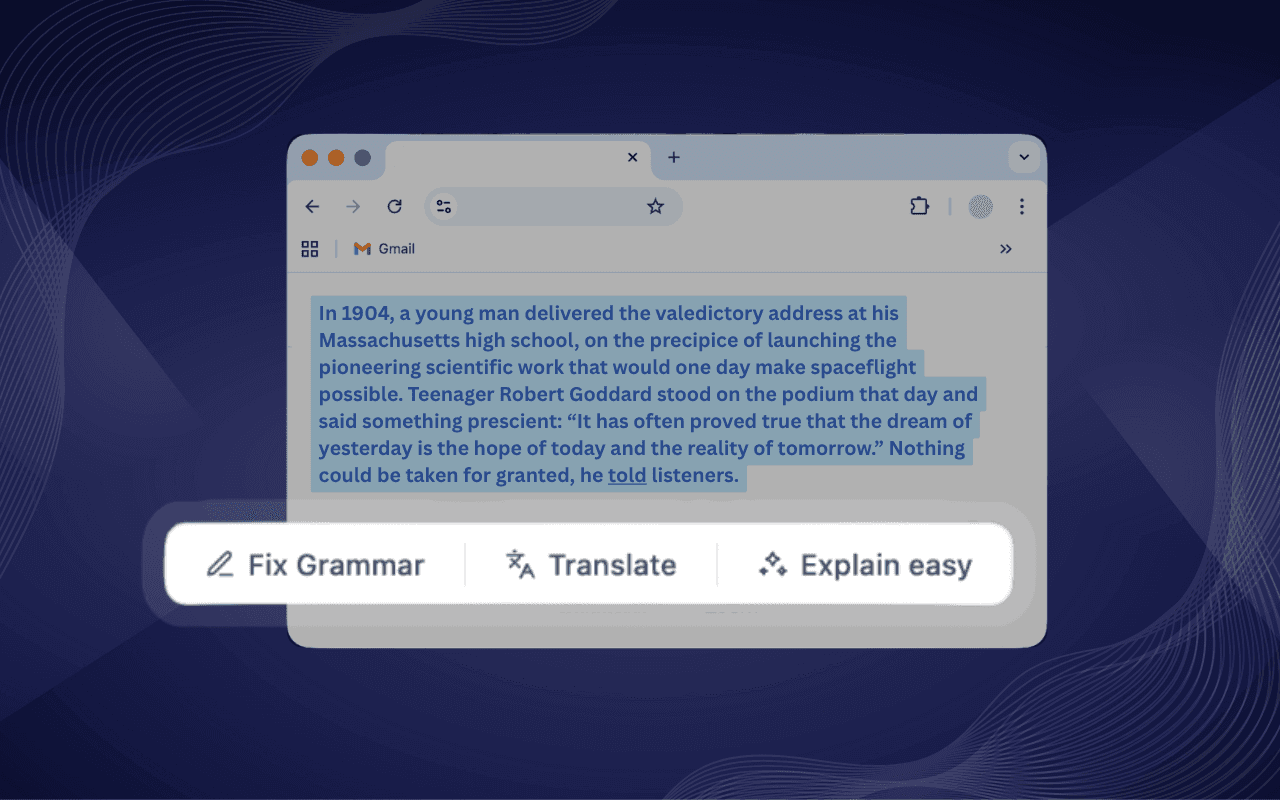 ClickPilot AIChrome Web StoreAI writing assistant for Chrome with fix, rewrite, summarize, translate, and custom shortcut actions inside text fields.
What we automate
The software answers email, writes quotes, moves your data and keeps bookings in order. You keep the decisions.
Answering customer email.
Reads the requests that come in, drafts a reply in your tone with the right details (availability, prices, terms) and leaves it in your drafts.
Stays with you: you read it, fix it if needed, and press Send.
Preparing quotes.
Takes the request, matches it against your price list and fills in the quote in your own format, ready to check.
Stays with you: the final price and terms.
Retyping data between tools.
Moves data between the tools you already use (email, spreadsheets, your management software, Shopify) without anyone retyping it.
Stays with you: seeing what moved, and where.
Handling bookings and orders.
Collects requests and confirmations, updates the calendar and sends the reminders.
Stays with you: the exceptions.
How we work
First, we count the hours.
A short call and a written proposal: what we build, what it costs, when it ships, and how many hours a month the problem costs you today. No obligation until you approve it.
Then we build.
We design and build in short cycles, with working software you can try from the first weeks.
After launch, we stay.
After launch you keep a direct line to the people who wrote the code. No handoffs, no ticket queues.
Finally, we count again.
After release we count the monthly hours again, together. It is the number the proposal started from, and it says whether the software did what it was meant to.
Guides and docs
Read the Use cases, Glossary, Comparisons, Integrations, Documentation and Blog.
Before you start
What kind of projects do you take on?
Custom software for small and mid-sized businesses: internal tools, workflow automation, browser extensions, Shopify and ecommerce apps, and AI integration into existing processes. If it looks like one of our own products, we are a strong fit.
How does a project start?
With a short call and a written proposal covering scope, cost, and timeline, plus how many hours a month the problem costs you today. You know exactly what we build and when it ships before committing to anything. After release we measure the saving together.
Who will actually work on my project?
The same small team that designs, builds, and ships the four products on this site. You talk directly to the people writing the code, not an account manager.
Can you work with our existing systems?
Yes. Most projects plug into tools you already use: spreadsheets, CRMs, Shopify, browser workflows, and APIs. We build around your stack instead of replacing it.
Do you use AI in your own work?
Yes: assistants for writing code and text, and tools that transcribe calls. We say so before we start and put it in the engagement letter, with the list of tools and where the data goes.
Where are you based?
Milan, Italy. We work with clients remotely, in English and Italian.
The written proposal says what we build, what it costs and when it is ready, and it starts from the hours repetitive work costs you today.
Start from your hours.
Today it costs you hours a month.
Four questions, one minute. The proposal starts from that number.
Count your hours